
Archive of Coastal Risk News & Press

Riskfootprint.com | July 2026
This video explores why traditional commercial real estate due diligence often overlooks significant physical risks that can affect a property’s long-term performance and value. It explains how environmental hazards, climate exposure, infrastructure vulnerabilities, and resilience factors are frequently underestimated during acquisitions and financing decisions. The discussion highlights the importance of asset-level risk assessments that provide property-specific insights, enabling investors, lenders, owners, and advisors to identify hidden risks before they become costly liabilities.
RiskFootprint™ | July 2023
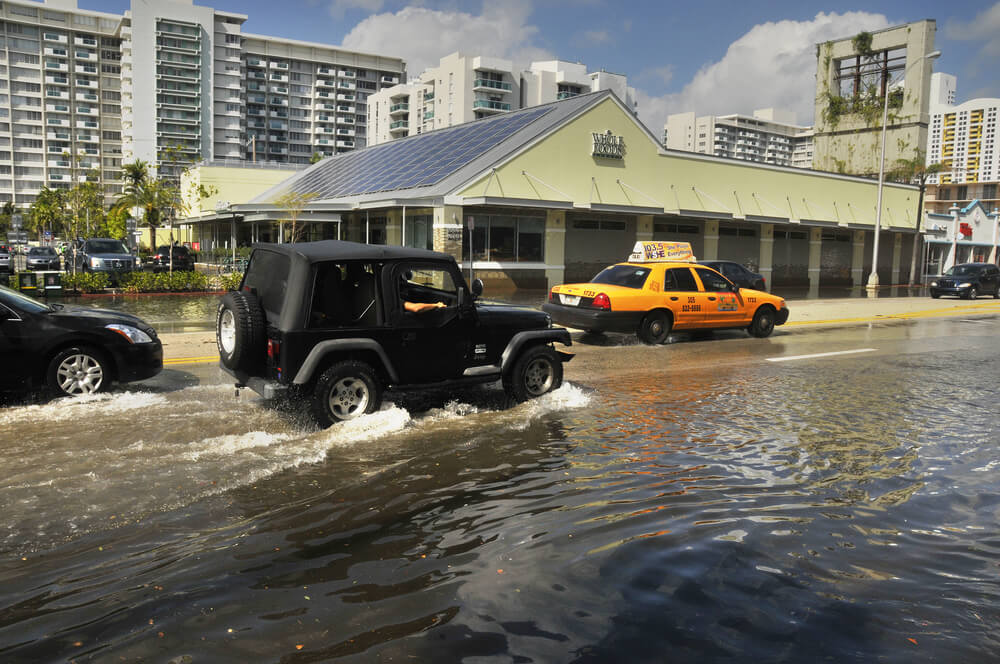
The Property Resilience Assessment (PRA) introduces a standardized framework for evaluating how commercial, industrial, and multifamily properties may be affected by natural hazards and climate-related risks. Based on emerging ASTM guidance, the PRA follows a systematic process to identify hazards, assess a property’s ability to prepare for, withstand, recover from, and adapt to those risks, and recommend resilience measures that can improve long-term performance, operational continuity, and investment value.
RiskFootprint™ | May 2023
As climate-related hazards become increasingly important in real estate investment and asset management, property owners and decision-makers need information that goes beyond regional risk maps. This article explains how asset-level risk assessments provide detailed, property-specific insights into natural hazards, vulnerabilities, and resilience opportunities. By understanding risks at the individual asset level, organizations can make better-informed decisions regarding acquisitions, capital planning, insurance, operations, and long-term resilience strategies while reducing financial uncertainty.

Alex Harris & Douglas Hanks | April 2023
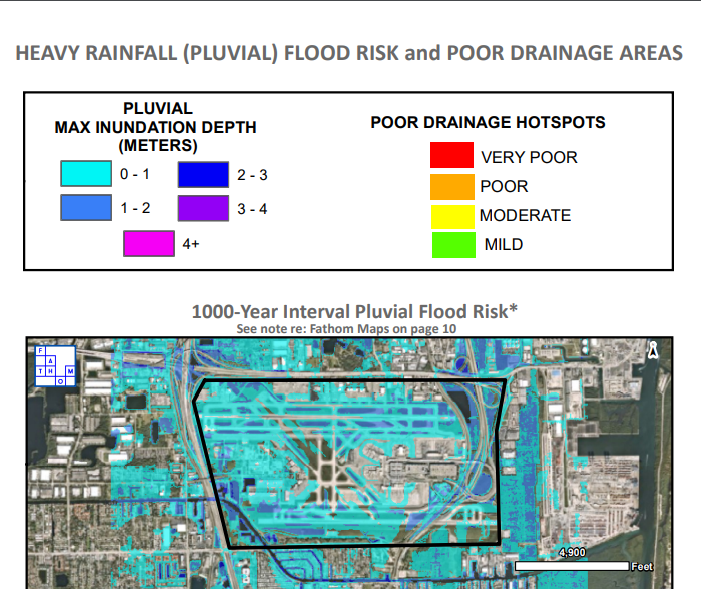
Record-breaking rainfall that flooded Fort Lauderdale-Hollywood International Airport in April 2023 exposed more than the impact of a single extreme weather event—it highlighted the growing vulnerability of critical infrastructure to climate change. The article features insights from Coastal Risk Consulting, showing how the airport’s low elevation, proximity to the coast, and increasing sea level rise have long made it susceptible to flooding. It also examines why future resilience planning and infrastructure improvements will be essential as severe rainfall and tidal flooding become more frequent.
Palm Beach Post | April 2023
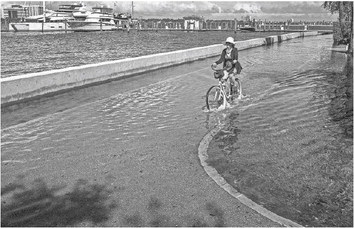
This article examines how rising sea levels and continued coastal development are placing increasing pressure on vulnerable shorelines and communities. Drawing on scientific research and risk analysis, it explores how climate change and human activity are accelerating land loss, increasing flood exposure, and creating new challenges for infrastructure, ecosystems, and property owners. The study underscores the importance of long-term planning, informed development decisions, and proactive resilience strategies to better protect coastal regions from future impacts.

Forbes | March 2023
This Forbes analysis examines why standardized climate risk disclosures are becoming increasingly important for investors evaluating commercial real estate portfolios. Using Equity Residential (EQR) and Alexandria Real Estate Equities (ARE) as case studies, the article explores how publicly available hazard data can help estimate physical climate risk, while also highlighting the limitations of today’s voluntary disclosure practices. It argues that more consistent, quantitative climate risk reporting would improve transparency and enable investors to better assess long-term financial exposure and resilience.
PR.com | March 2023
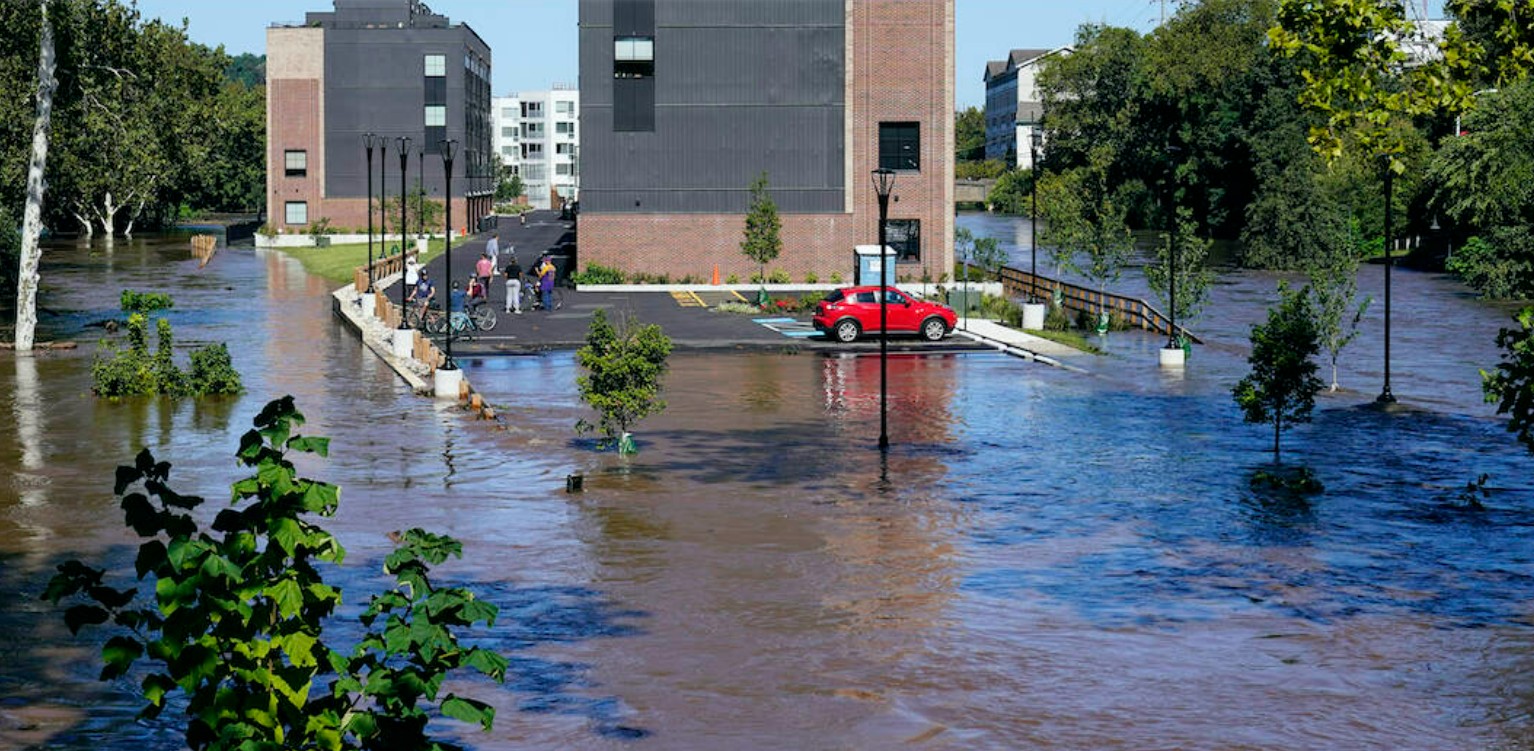
RiskFootprint™ has introduced the Max Flood Damage/Loss Percentage tool, a property-level assessment designed to estimate the potential maximum structural damage caused by riverine, pluvial, and storm surge flooding. Built on FEMA Hazus methodologies and enhanced with additional hazard data, the tool helps property owners, investors, lenders, insurers, and due diligence professionals better understand flood-related financial exposure. By providing standardized damage estimates, it supports acquisition decisions, portfolio risk management, insurance underwriting, resilience planning, and ESG reporting.
Biznow Webinar | December 2022
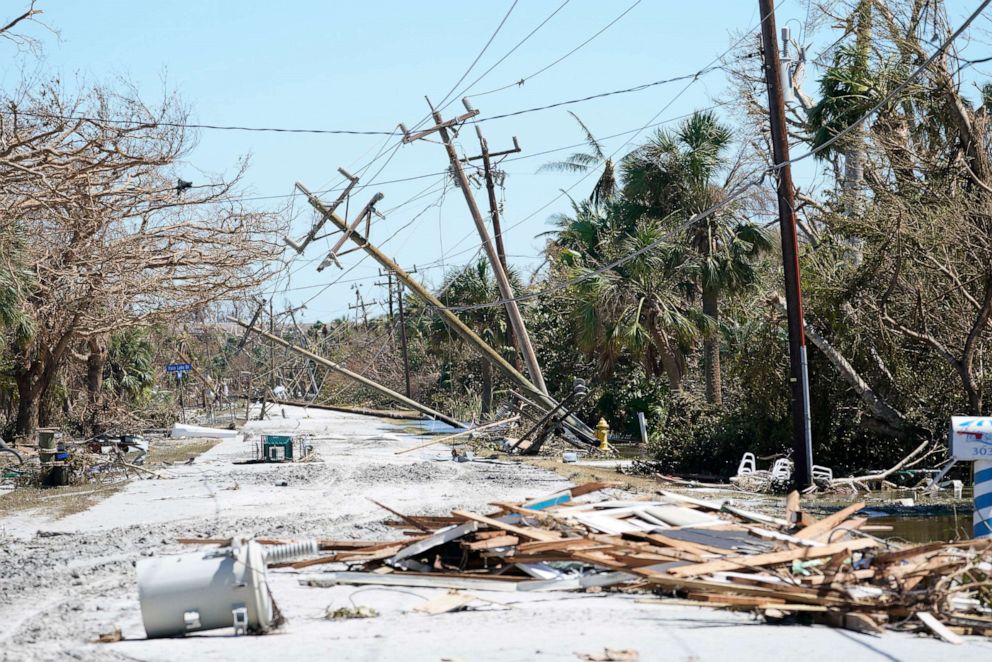
This webinar brings together industry experts to discuss how rising sea levels and climate change are reshaping the future of commercial real estate. The conversation explores practical strategies for improving building resilience, integrating sustainability into asset management, and addressing the growing expectations surrounding ESG and climate risk. Panelists also examine how proactive risk assessments, long-term planning, and resilience investments can help owners protect building performance, reduce financial exposure, and extend the lifespan of their properties.
A Q&A with Albert Slap | November 2022
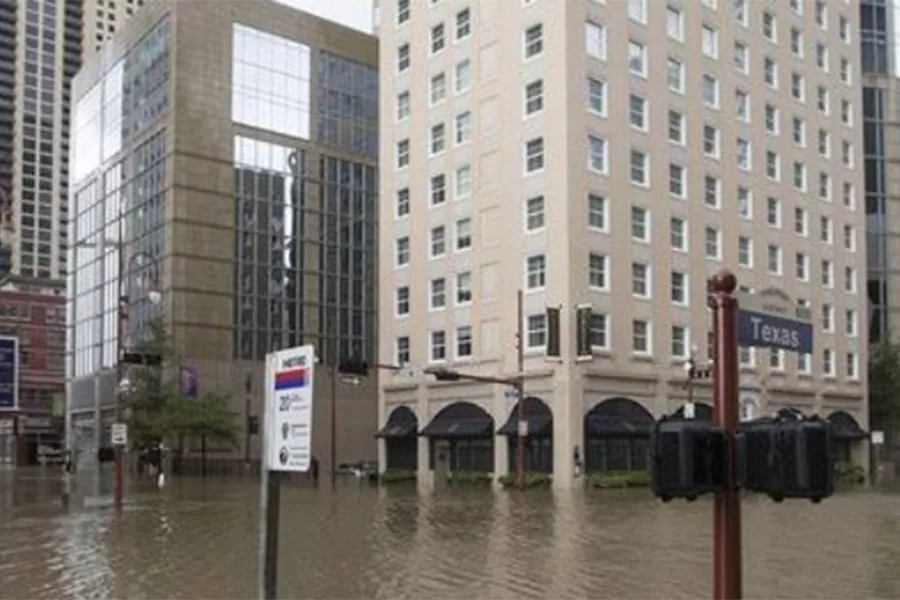
As climate-related disclosure requirements continue to evolve, environmental and hazard risk assessments are becoming an increasingly important component of commercial real estate due diligence. In this Q&A, Albert Slap discusses how investors, lenders, and property owners can prepare for changing reporting expectations by incorporating asset-level climate intelligence into acquisition, financing, and portfolio management decisions. The article explains why transparent, property-specific risk assessments help organizations improve resilience, strengthen governance, and meet emerging ESG and climate reporting obligations.
The Source | November 2022
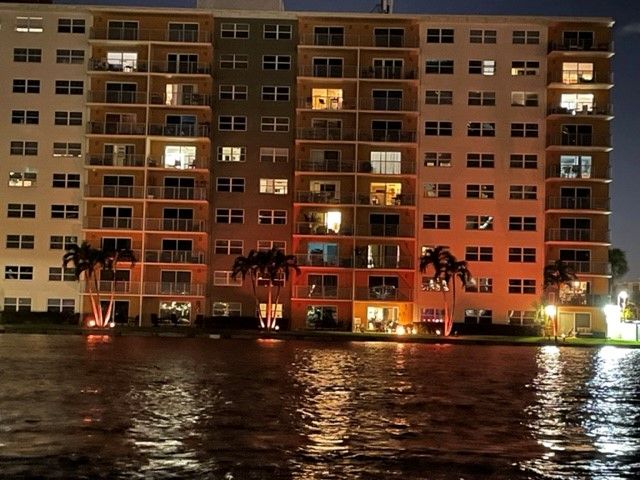
In this Q&A, Albert Slap explains how commercial real estate due diligence is evolving beyond appraisals, environmental assessments, property condition reports, and title reviews. He discusses the growing need for property-specific hazard and climate analysis, emerging ASTM Property Resilience Assessment guidance, and proposed climate disclosure requirements. The article also shows how portfolio screening, flood modeling, and resilience planning can help owners identify high-risk assets, guide capital improvements, strengthen reporting, and protect long-term asset performance

Politico | September 2022
As Hurricane Ian approached Florida, this article examined how years of development placed homes, infrastructure, and investment in areas highly exposed to storm surge and flooding. It highlights Tampa Bay’s particular vulnerability, worsening insurance pressures, and the financial strain major disasters can place on governments and property owners. The article also explains how rising seas, warmer waters, and continued migration into hazard-prone regions are increasing the potential scale of future climate-related losses.
RiskFootprint™ | September 2022
This interview explores how commercial real estate companies are using hazard assessment technology to identify physical climate risks that traditional due diligence often misses. Albert Slap explains how RiskFootprint™ combines property-level analysis with advisory services to support portfolio screening, acquisitions, resilience planning, and climate disclosures. The article also presents a case in which flood modeling revealed exposure beyond FEMA’s 100-year flood standard, prompting a developer to raise finished-floor heights and improve the project’s long-term resilience.
RiskFootprint™| May 2022
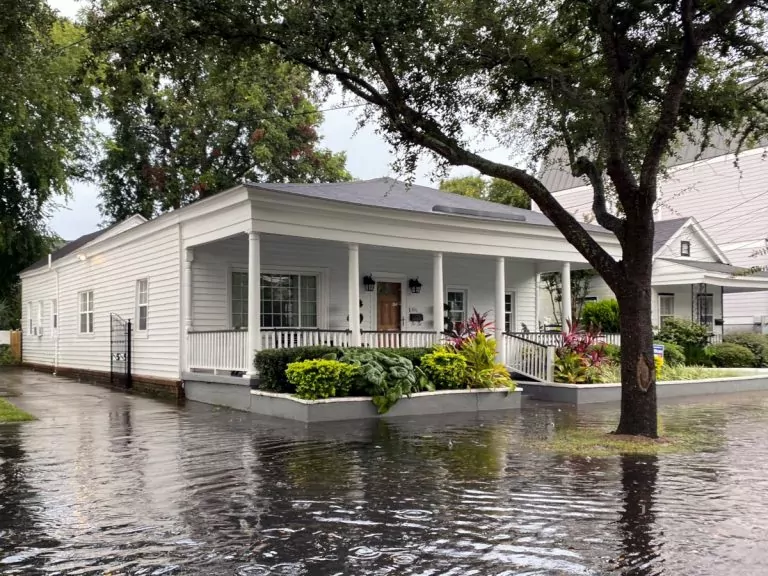
RiskFootprint™ has enhanced its hazard assessments by introducing AI-generated estimates of Finished Floor Height (FFH) above ground level for individual buildings at no additional cost. Because flood damage depends not only on flood depth but also on how high a structure sits above grade, FFH provides a critical measure of flood vulnerability. By combining AI-derived building elevation data with advanced flood modeling, RiskFootprint™ delivers more accurate estimates of potential flood damage, helping owners, lenders, insurers, investors, and due diligence professionals make better-informed risk management decisions.
Bisnow | March 2022
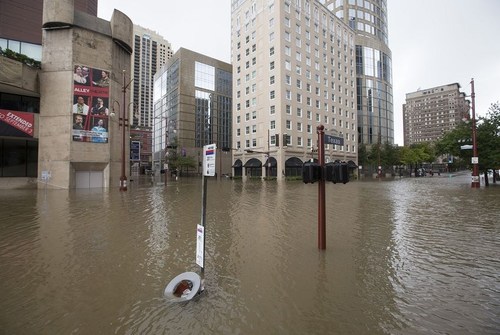
In this Bisnow interview, Albert Slap discusses how commercial real estate organizations can strengthen due diligence by incorporating property-level hazard assessments into investment and portfolio management decisions. He explains why traditional environmental reviews often overlook critical flood, wildfire, wind, and climate-related risks, and demonstrates how RiskFootprint™ provides actionable intelligence that supports acquisitions, lending, resilience planning, insurance evaluations, and ESG reporting. The interview also illustrates how early identification of hidden hazards can reduce financial exposure while improving long-term asset performance.
RiskFootprint™ | March 2022
In this thought leadership article, Albert Slap encourages businesses and property owners to move beyond the debate surrounding climate change and instead focus on building resilience against the natural hazards that are already affecting communities today. He explains that regardless of differing views on climate science, floods, hurricanes, wildfires, and other extreme weather events are creating measurable risks for real estate and infrastructure. The article emphasizes that proactive hazard assessments and resilience planning are practical steps organizations can take to better protect their assets, reduce future losses, and make more informed long-term investment decisions.

Environmental Bankers Association Presentation | February 2022
This presentation explores why resilience must move beyond discussion and become a measurable business strategy for commercial real estate. It examines how increasingly frequent floods, hurricanes, wildfires, and other natural hazards are changing investment, lending, and asset management decisions. The session highlights the importance of property-specific hazard assessments, proactive mitigation planning, and resilience investments that enable organizations to better protect assets, strengthen long-term value, and prepare for a future of increasing climate uncertainty.
RiskFootprint™| January 2022
Albert Slap examines the rapidly increasing financial impact of climate- and weather-related disasters on commercial real estate and explains why traditional due diligence is no longer sufficient. The article discusses how property-specific hazard assessments help identify vulnerabilities that broad regional maps often miss, enabling owners, investors, lenders, and developers to make better-informed decisions. It also emphasizes that proactive risk identification and resilience planning can reduce losses, improve investment performance, and support long-term portfolio management.

Smart City Expo Miami | December 2021
In this presentation, Albert Slap discusses the growing urgency of improving resilience across existing commercial, multifamily, and industrial properties as climate-related hazards become more frequent and costly. He explains how owners can use property-level hazard assessments to identify vulnerabilities, prioritize mitigation measures, and make strategic capital improvements that reduce future losses. The session demonstrates that resilience is no longer just an environmental objective—it has become an essential component of asset protection, operational continuity, and long-term investment value.
Aspen Mastermind | October 2021
In this Aspen Mastermind presentation, Albert Slap discusses how climate-related hazards are reshaping the real estate industry and why organizations must move beyond traditional due diligence to better understand physical risk. He explains how property-level hazard assessments can help investors, developers, lenders, insurers, and property owners identify hidden vulnerabilities, improve resilience, and make more informed long-term decisions. The presentation emphasizes practical risk management strategies that protect both asset value and operational continuity in an increasingly uncertain environment.
Video | September 2021
This webinar explores the emerging standards, frameworks, and assessment tools that are helping professionals evaluate and improve the resilience of buildings and infrastructure. The discussion examines how standardized approaches to hazard identification, risk assessment, and resilience planning can support better investment, design, and operational decisions. It also highlights the growing importance of integrating climate adaptation into real estate, engineering, and infrastructure management to better prepare communities and assets for future natural hazards.
RiskFootprint™ |August 2021
Albert Slap examines FEMA’s Risk Rating 2.0 and its potential impact on flood insurance, property values, and resilience across the United States. While the updated methodology is designed to more accurately reflect individual property risk, the article argues that insurance pricing alone cannot solve America’s broader resilience challenges. Instead, property owners, investors, lenders, and policymakers must also invest in hazard assessments, mitigation strategies, and resilience improvements that reduce long-term flood risk and strengthen communities before disasters occur.

Video | July 2021
In this CREtech Climate Cast episode, Albert Slap discusses how commercial real estate leaders can better understand and manage the growing impact of climate-related hazards on their portfolios. The conversation explores why traditional due diligence often overlooks physical risks, how property-level hazard assessments support more informed investment decisions, and why resilience has become a strategic priority for owners, investors, lenders, and asset managers seeking to protect long-term value.
PDF | July 2021
This complimentary guide helps condominium owners, buyers, associations, and property managers better understand the climate-related risks facing coastal buildings. It explains how hazards such as sea level rise, tidal flooding, storm surge, hurricanes, and heavy rainfall can affect structural resilience, insurance costs, maintenance planning, and long-term property values. The primer also outlines practical considerations for evaluating vulnerabilities and making more informed decisions that strengthen the resilience of coastal communities.

LinkedIn | July 2021
This overview introduces RiskFootprint™’s climate-related risk analysis model, which combines property-specific hazard data with advanced modeling to help commercial real estate professionals better understand physical climate risk. Rather than relying solely on regional averages, the approach evaluates individual properties to support acquisitions, due diligence, ESG reporting, resilience planning, and portfolio management. The model is designed to provide transparent, actionable intelligence that enables better-informed investment and risk management decisions.
LinkedIn | July 2021
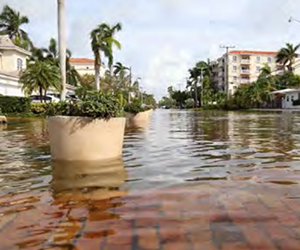
This article explains why so-called “nuisance” flooding during king tides should no longer be viewed as a minor inconvenience. As sea levels continue to rise, recurring high-tide flooding is becoming more frequent, affecting roads, utilities, buildings, and property values even on sunny days. The piece highlights the importance of evaluating king tide exposure at the individual property level so that owners, investors, and developers can better understand long-term vulnerability and incorporate these risks into due diligence and resilience planning.
Weather Channel | July 2021
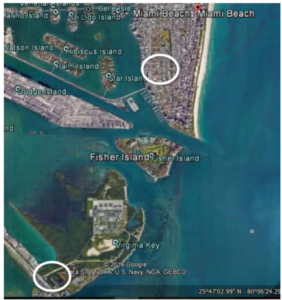
In this Weather Channel feature, Albert Slap discusses how coastal buildings are increasingly exposed to environmental hazards including sea level rise, tidal flooding, storm surge, saltwater intrusion, and stronger coastal storms. He explains why these risks extend beyond major hurricanes and why property owners should adopt a long-term resilience strategy based on asset-specific hazard assessments. The segment emphasizes that understanding environmental exposure is essential for protecting building performance, reducing financial risk, and supporting more resilient development.
The Palm Beach Post | June 2021
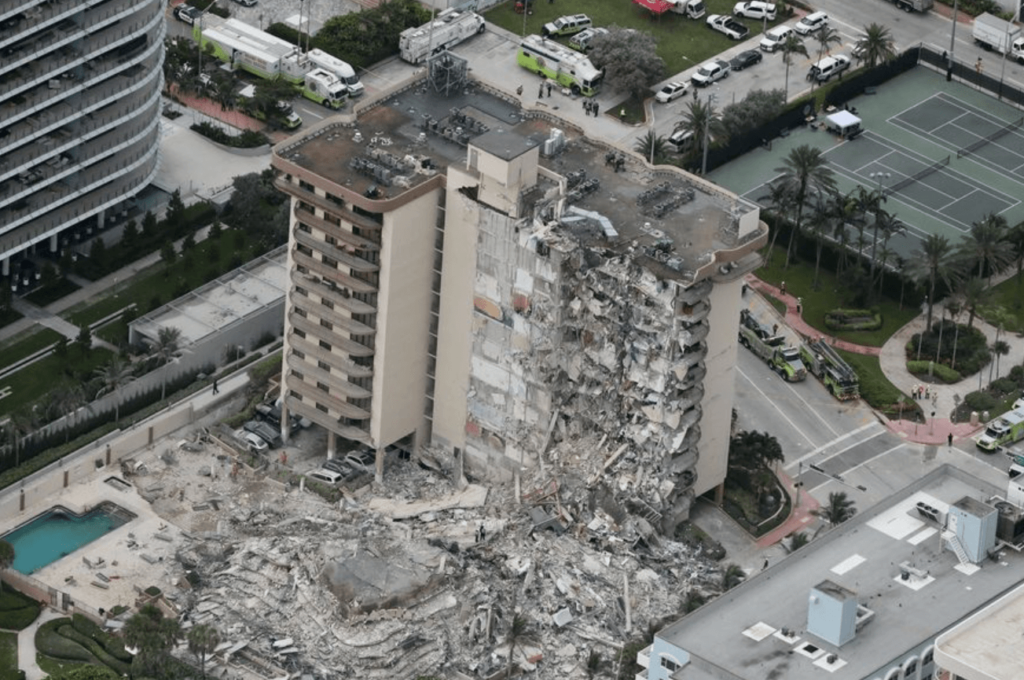
Following the tragic Surfside condominium collapse, this article examines whether recurring king tides, rising sea levels, and chronic groundwater intrusion may have contributed to long-term structural deterioration. While no direct causal link was established, the article explores how increasingly frequent tidal flooding and below-ground moisture can accelerate corrosion and place additional stress on coastal infrastructure. It highlights the importance of considering long-term environmental conditions when evaluating existing buildings and planning future coastal development.
RiskFootprint™ |June 2021
Following the tragic Surfside condominium collapse, Albert Slap explains why coastal condominium associations should reassess how they evaluate long-term environmental and structural risks. The article discusses the cumulative effects of sea level rise, recurring tidal flooding, saltwater intrusion, aging infrastructure, and deferred maintenance, emphasizing the need for proactive inspections and resilience planning. It encourages associations to incorporate property-specific hazard assessments into capital planning to better protect residents, preserve building integrity, and reduce future risk.
The Washington Post | June 2021
In this Washington Post interview, Albert Slap discusses how climate-related factors such as rising sea levels, saltwater intrusion, flooding, and changing groundwater conditions may increase long-term stress on vulnerable buildings, particularly in coastal regions. While emphasizing that individual structural failures require thorough engineering investigations, he explains why environmental hazards should become a routine consideration in building management, inspections, and long-term resilience planning as communities adapt to changing climate conditions.
Refresh Miami | June 2021
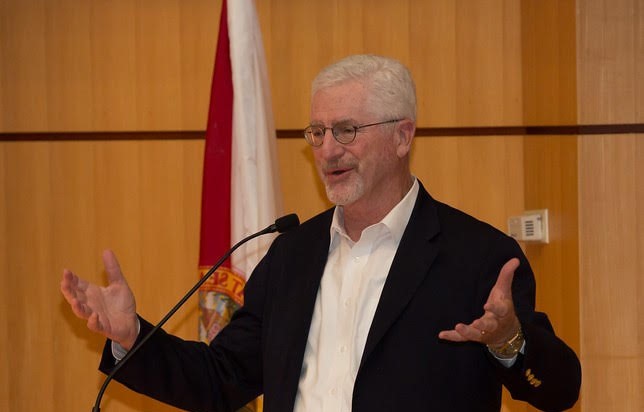
This profile highlights the origins of RiskFootprint™ and its mission to help the real estate industry better understand and manage physical climate risk. It explores how the company’s property-level hazard assessment platform enables owners, investors, lenders, developers, and insurers to evaluate vulnerabilities from flooding, hurricanes, wildfire, and other natural hazards. The article also discusses RiskFootprint™’s vision of making climate intelligence a standard component of real estate due diligence, resilience planning, and long-term investment decision-making.