
RiskFootprint™ in the News
A property’s RiskFootprint™ affects its value! Find out how much a home is really worth by understanding its current and future risks.

YouTube | July 2026
This episode explores why smart homebuyers are beginning to look beyond traditional inspections when evaluating a potential property. Albert Slap explains that a standard home inspection may identify physical conditions inside a home, but it does not typically reveal broader environmental hazards such as flooding, wildfire, hurricanes, extreme weather, or future climate-related risks. The discussion highlights how property-specific hazard assessments can help buyers understand hidden risks earlier in the process, improve due diligence, and make more informed purchasing decisions before committing to a home.

YouTube | July 2026
In this podcast episode, Albert Slap explains why FEMA flood maps provide only a partial view of a property’s true flood risk and why comprehensive due diligence should extend far beyond regulatory flood zones. He discusses overlooked hazards such as heavy rainfall flooding, storm surge, wildfire, and wind, while sharing real-world examples of how resilience measures can significantly reduce both damage and insurance costs. The conversation emphasizes the importance of property-specific hazard assessments that help buyers, homeowners, and real estate professionals make smarter, risk-informed decisions before purchasing a property.

YouTube | July 2026
In this episode, RiskFootprint™ President Albert Slap explains why traditional home inspections and property disclosures often overlook critical environmental hazards that can affect a home’s long-term value and safety. The discussion highlights the importance of evaluating risks such as flooding, wildfire, hurricanes, extreme heat, and other climate-related threats before purchasing a property. Listeners also learn how property-specific hazard assessments can support more informed buying decisions, reduce unexpected costs, and strengthen due diligence throughout the homebuying process.

EINPresswire | February 2026
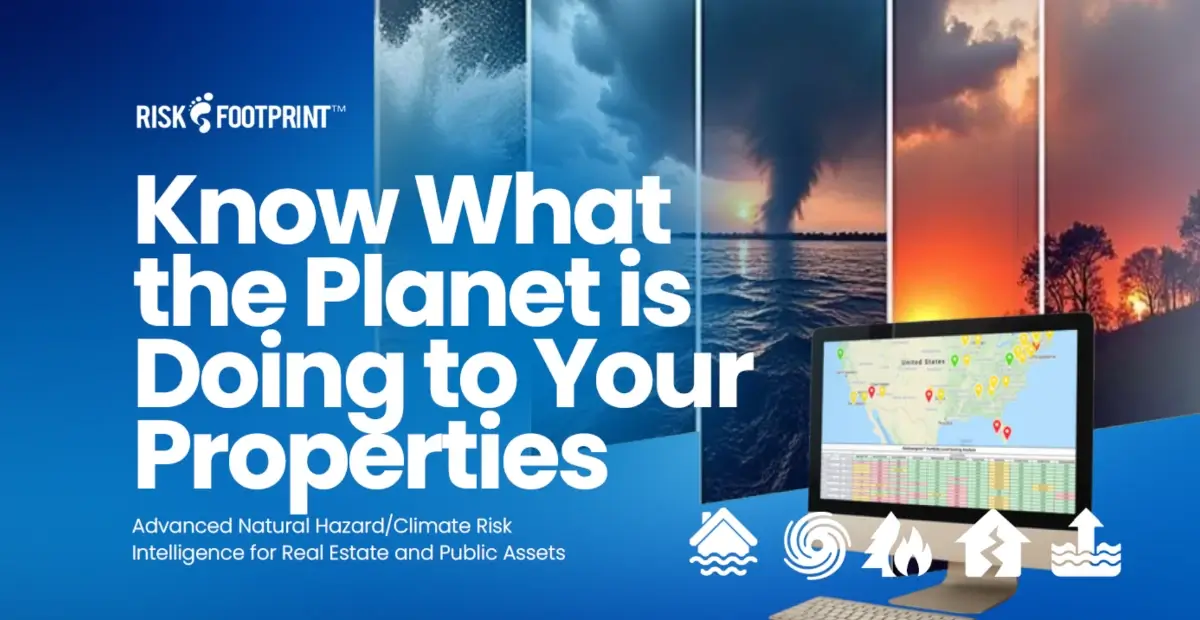
RiskFootprint™ has launched a first-of-its-kind workflow that combines its parcel-level hazard intelligence with Microsoft Copilot to generate clear, structured executive summaries from RiskFootprint™ reports. Users can upload a report into Copilot to receive an auditable narrative that synthesizes hazard data, FEMA flood information, historical disaster records, and property-specific risk drivers, along with recommendations tailored to buyers, lenders, engineers, and due diligence professionals. The solution is designed to accelerate decision-making while maintaining transparency and defensible, evidence-based analysis.
EINPresswire | February 2026
As major real estate platforms reduce or remove third-party climate risk scores from property listings, RiskFootprint™ positions itself as a comprehensive alternative for homebuyer due diligence. Rather than relying on a single score, Version 18 provides property-specific analysis covering more than 30 hazards, including advanced flood modeling, AI-derived finished floor height, and current and future value-at-risk estimates. The platform helps buyers, Realtors®, inspectors, and advisors better understand how natural hazards can affect a property’s condition, financial exposure, and long-term resilience before a purchase is made.
NPR CapRadio Blog | October 2020
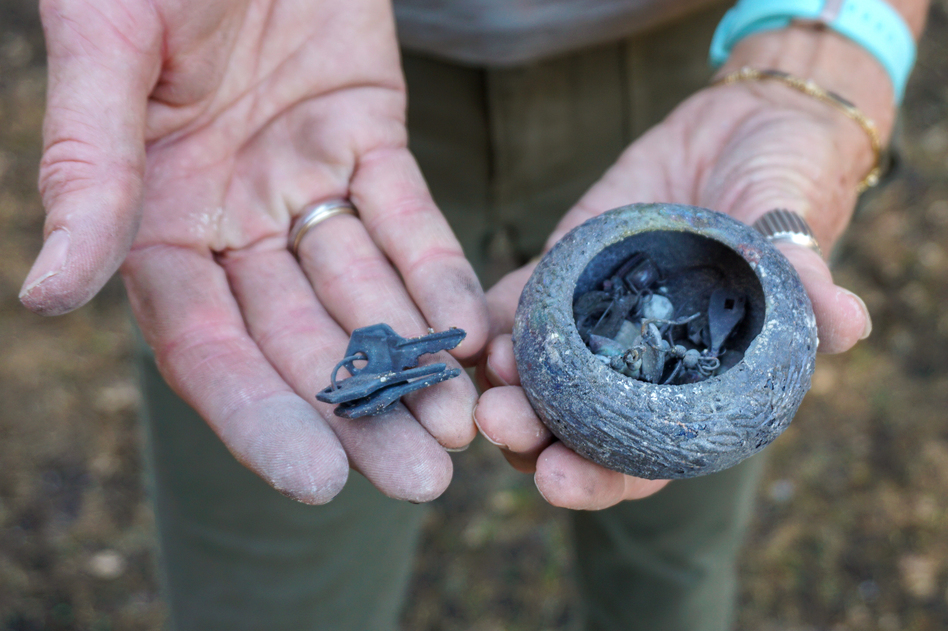
Millions of Americans unknowingly purchase or rent homes exposed to significant flood and wildfire risks because those hazards are often not disclosed during real estate transactions. This NPR investigation examines how inconsistent state disclosure laws, outdated flood maps, and limited wildfire risk information leave buyers and renters without critical knowledge before making housing decisions. The article also explores how climate change is increasing these risks and why experts are calling for more transparent, standardized property hazard disclosures nationwide.
AWS Government, Education, & Nonprofits Blog | February 2020
This article explores how detailed, asset-level hazard assessments are helping property owners, businesses, and government agencies better understand and prepare for climate-related risks. It highlights Coastal Risk’s use of Amazon Web Services (AWS) to analyze large volumes of geospatial and hazard data, enabling property-specific flood, natural hazard, and climate risk assessments. By combining advanced analytics with cloud technology, organizations can make more informed decisions, prioritize resilience investments, and reduce the long-term impacts of increasingly frequent and costly natural disasters.
MarketplaceTech | October 2019
Buying a home is often driven by emotion, but understanding its exposure to environmental hazards requires objective, reliable data. This Marketplace Tech interview features RiskFootprint™ President Albert Slap discussing how technology can help homebuyers identify hidden risks such as flooding, wildfire, hurricanes, and other climate-related threats before making a purchase. The conversation explains why property-specific risk assessments are becoming an essential part of modern due diligence, helping buyers make more confident decisions while protecting their long-term investment.
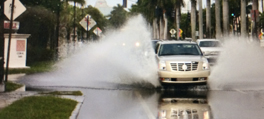
The Invading Sea | August 2019
As sea levels rise and chronic flooding becomes more common in coastal communities, some homeowners are choosing to elevate their homes rather than relocate. This article explores the complex financial, engineering, and lifestyle considerations behind that decision, questioning whether investing in a higher home makes sense when the surrounding neighborhood remains vulnerable. It also examines how property values, insurance costs, infrastructure, and long-term climate resilience influence these increasingly difficult choices for homeowners.
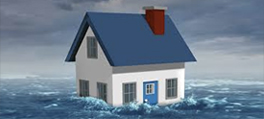
The Invading Sea | July 2019
Purchasing a home without understanding its true flood risk can leave buyers facing unexpected financial and emotional consequences. This article argues that current disclosure practices often fail to provide the information buyers need to make informed decisions, particularly as flooding becomes more frequent and severe. It highlights the importance of greater transparency, improved flood risk communication, and access to comprehensive property-specific hazard assessments before a real estate transaction is completed.
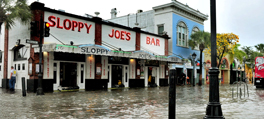
The Weather Channel | 2018
This video explores how rising sea levels are already transforming life in Miami, where frequent tidal flooding, saltwater intrusion, and increasingly vulnerable infrastructure are becoming everyday challenges. It examines the science behind sea level rise, why South Florida is particularly susceptible due to its porous limestone foundation, and how communities are adapting through resilience planning, infrastructure improvements, and long-term strategies to address one of the region’s greatest environmental threats.
Coastal Risk Consulting | 2017
This video highlights how one historic church in Norfolk is preparing for the growing impacts of severe storms and climate change through proactive resilience planning. By identifying vulnerabilities and implementing practical mitigation measures, the congregation is working to protect both its historic building and the community it serves. The story demonstrates how property-level risk assessments and forward-thinking adaptation strategies can help organizations reduce future damage while preserving important community assets.
Coastal Risk Consulting | 2020
Buying a home involves more than finding the right neighborhood or negotiating the best price. Many buyers are unaware of important environmental hazards that can affect a property’s safety, insurance costs, and long-term value. This video explores why understanding flood, wildfire, hurricane, and other climate-related risks should be an essential part of every home purchase, encouraging buyers to look beyond traditional disclosures and ask the right questions before making one of life’s biggest investments.
The Mortgage Reports | 2020
As climate change increases the frequency and severity of floods, wildfires, hurricanes, and extreme weather events, homebuyers are beginning to factor environmental risks into their purchasing decisions. This article examines how climate considerations can influence property values, insurance costs, and long-term livability while emphasizing that buyers should balance lifestyle preferences with practical risk assessments. It also shares expert advice on researching local hazards, evaluating community resilience, and making informed decisions before investing in a home.