
Coastal Risk News & Press

“Acqua Alta, Indeed”, The Resilience Journal (2018)
The epic flood in Venice in 2018 is but the latest reminder of the systemic changes needed across the board and around the world, including a new social contract. Albert Slap went from meeting to meeting last week as if in a crusade. Well, not as if. I stand...
Hazard to Certified Retrofit RiskFootprint
A structured approach for asset hardening in commercial real estate is no longer optional given the escalation of natural hazard disasters and climate volatility. This framework centers on the three stages of the ASTM Property Resilience Assessment (PRA), which begins...

Albert Slap on Why Property Climate Risk Requires More Than a Hazard Score
In this episode: Albert Slap, President of RiskFootprint, joins Net Zero Compare to discuss why physical climate risk is becoming increasingly important for property owners, investors, lenders, insurers, and businesses with physical assets.
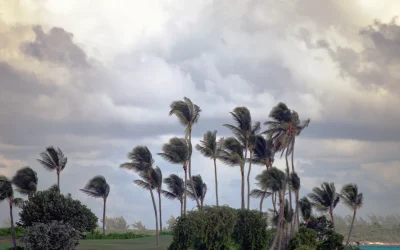
Coastal Commercial Real Estate Faces Reckoning Over Stable Income Assumption, Risk Expert Warns
Recent analysis highlights that traditional underwriting assumptions about stable net operating income in coastal commercial real estate are increasingly untenable as natural hazards escalate. According to risk expert Albert Slap, severe weather events such as...

How Overlooked Natural Hazard Risk Threatens Commercial Real Estate Lending
This article explains that many regional banks and underwriters still treat commercial property net operating income as stable, ignoring the reality that a major wind or flood event can render a property unproductive for extended periods. Tools like FEMA’s Hazus model...

Panel Discussion — Resilient Buildings, Resilient Business: The Built Environment as ESG Strategy
This video focuses on: Integrating climate resilience into building design and operations Enhancing ESG performance through sustainable infrastructure\ Reducing climate risk while improving operational continuity Advancing regenerative design for long-term business...

Unseen Risks in CRE: Why Due Diligence Misses the Biggest Threats
In this episode of Peak Property Performance, Bill Douglas and Drew Hall sit down with Albert J Slap, Founder & CEO of Risk Footprint, to break down how operators can improve risk visibility and proactive portfolio protection.

What Two Hurricanes Revealed About Commercial Real Estate Due Diligence
When Hurricane Ian hit Florida’s Gulf Coast in 2022, it put two hotels operated by the same REIT out of commission for nearly a year. Recovery took twelve months and cost far more than the insurance payouts.
The End of ‘Act of God’
This video podcast is focused on the evolving legal liabilities facing due diligence professionals, such as architects and engineers, regarding physical property risks. Modern courts and regulators now view hazards like flooding and wildfires as foreseeable and...
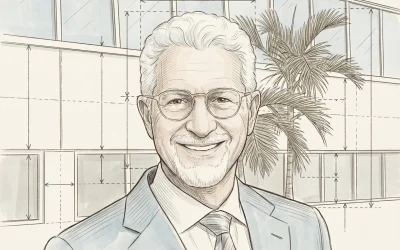
Climate Risk Assessment Moves from Blind Spot to Business Critical
The commercial real estate industry is reaching a tipping point as climate risk data becomes more accessible, yet most transactions continue to overlook its importance.

RiskFootprint™ Releases Version 18, Restoring FEMA’s Discontinued National Risk Index Loss Data
RiskFootprint™ Releases Version 18, Restoring FEMA’s Discontinued National Risk Index Loss Data and Setting a New Standard for Property-Level Climate and Hazard Intelligence.

What is RiskFootrpint?
A Comparative Analysis and Sector-Specific Recommendations. Microsoft Copilot was used to help synthesize vendor landscape information, structure comparative frameworks, and draft sector-specific recommendations.
RiskFootprint™ & the Future of Resilience-Based Hazard Assessment
Mr. Albert J. Slap (Coastal Risk Consulting, LLC) introduces RiskFootprint, a breakthrough SaaS technology delivering site-specific, physical #hazard and climate vulnerability insights for commercial realestate and lending, insurance advisory, government buildings, and critical infrastructure.
Our Schools, Our Shelters
This video podcast outlines the urgent necessity for U.S. schools to address severe and growing risks associated with floods, natural hazards, extreme weather and climate change. It uses harrowing examples, such as the Lahaina wildfire and Hurricane Katrina, to illustrate how widespread destruction of school facilities leads to massive learning loss and community trauma.
Commercial Lending – Real Estate’s Blind Spot
Commercial lenders need to better understand the risks of natural hazards and extreme weather in their loan underwriting and credit processes. RiskFootprint(tm) and the ASTM’s Property Resilience Assessment process will help.

The ASTM PRA and Retrofitting for Resilience
Owners, operators, and investors in commercial real estate need detailed information about exposures to natural hazards and extreme weather, building vulnerability, value-at-risk, and feasible resilience measures and costs to determine the ROI of resilient retrofits. RiskFootprint(tm) has the answers you need.
B-Resilient™ Process – The Future of Value
Commercial real estate lenders need to better understand the impacts of natural hazards and extreme weather on the appraised value of properties.
Commerical Lending – Smart Risk
Commercial Loan Underwriters and Credit Officers will benefit from using the new ASTM International’s Property Resilience Assessment Stage One and the RiskFootprint(tm) Hazard/Climate Risk Assessment. RiskFootprint(tm) completely satisfies ASTM PRA Stage One.
Your Home’s Future – Homebuyers and Realtors
This video podcast explains to residential homebuyers and buyer-side realtors the enormous due diligence value of the online RiskFootprint™ hazard/climate report. The $200 RiskFootprint™ report is an essential part of due diligence, providing comprehensive risk assessments superior to limited scores offered by online residential real estate platforms.
The Resilience Cycle – Annual Resilience Updates for CRE
This video podcast details a structured, annual maintenance plan for commercial real estate designed to enhance and preserve a building’s safety and resilience, emphasizing that resilience is a continuous process rather than a final state.