
Coastal Risk News & Press
Arc Skoru, Inc. | May 2021
In this Power User Conversations interview, Albert Slap discusses the vision behind RiskFootprint™ and how property-specific hazard intelligence is transforming commercial real estate decision-making. He explains how the platform combines advanced geospatial analysis with climate and natural hazard data to help investors, lenders, developers, insurers, and property owners better understand physical risks. The conversation highlights the growing importance of resilience-focused due diligence and demonstrates how technology can provide more transparent, actionable insights throughout the property lifecycle.
National Mortgage Professional | May 2021
RiskFootprint™ announced the expansion of its PropTech platform with new community-level resilience metrics that complement its property-specific hazard assessments. By incorporating FEMA’s National Risk Index Community Resilience Score and Community Rating System data, the platform enables commercial real estate professionals to evaluate both individual property risks and the resilience of the surrounding community. These additional insights support more informed acquisition, lending, investment, insurance, and long-term portfolio management decisions.
WLRN 91.3FM | May 2021
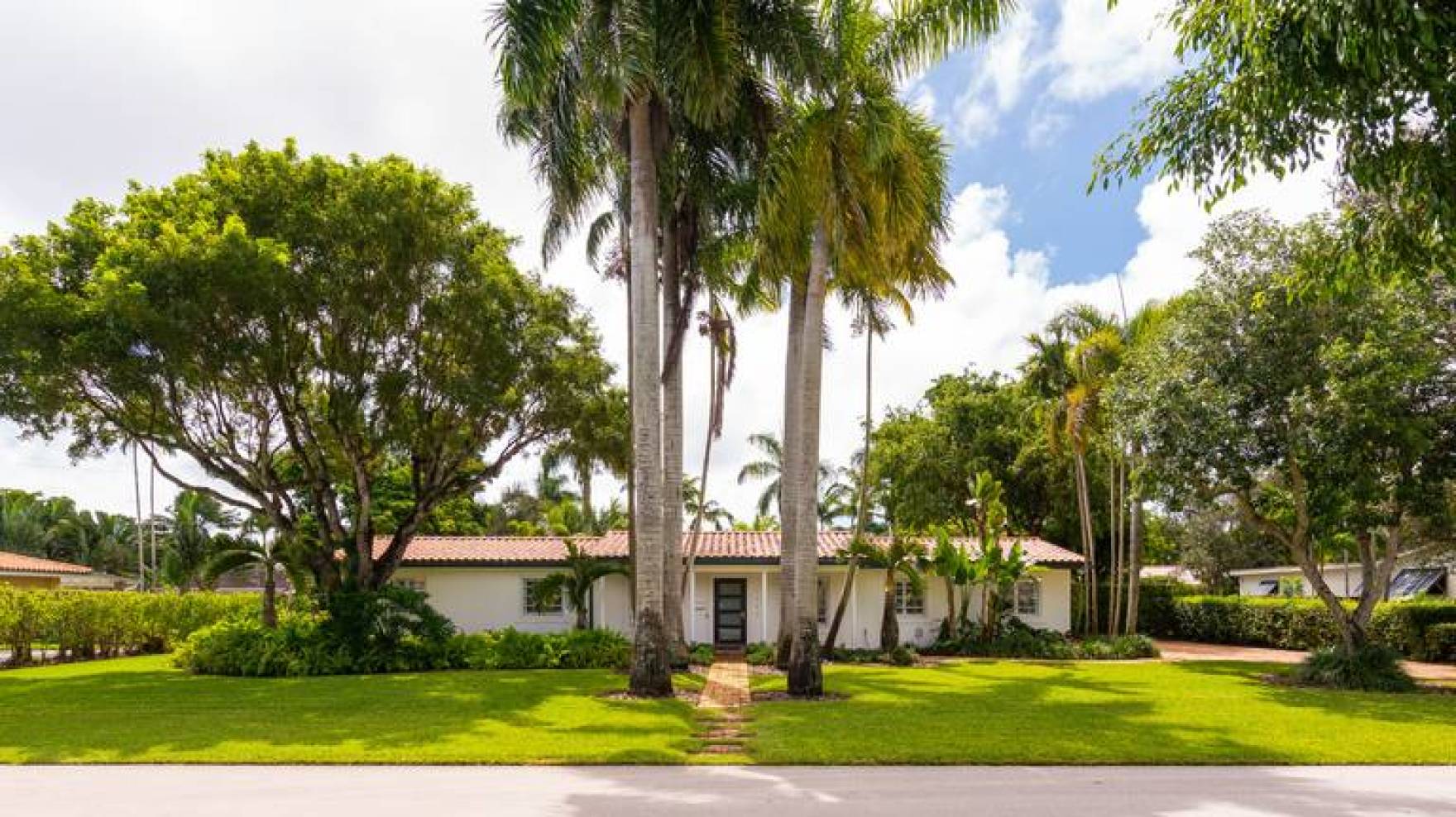
As sea level rise increasingly influences South Florida’s housing market, this article explores why elevation has become a critical factor for homebuyers alongside traditional considerations such as location and price. Featuring insights from Albert Slap, it explains that evaluating flood exposure requires looking beyond neighborhoods to the specific characteristics of each property, including elevation, surrounding infrastructure, insurance costs, and long-term resilience. The article encourages buyers to make informed decisions by understanding both present-day hazards and future climate-related risks.
Risk Footprint| April 2021
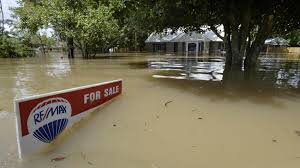
Albert Slap outlines a comprehensive due diligence process for both residential and commercial real estate, emphasizing that buyers should begin evaluating risks well before entering into a purchase agreement. Beyond traditional inspections, he advocates incorporating property-specific hazard assessments that examine flooding, wind, wildfire, earthquakes, climate impacts, and community resilience. The article explains how combining conventional due diligence with RiskFootprint™ reports enables buyers to better understand a property’s safety, sustainability, and long-term resilience before making an investment.
Cimpatico Studio | March 2021
In this interview with Cimpatico Studio, Albert Slap shares his perspective on how climate-related hazards are reshaping the real estate industry and why resilience should become a core part of every property decision. He discusses the evolution of RiskFootprint™, the importance of asset-level hazard intelligence, and how better access to property-specific risk data can help investors, developers, lenders, insurers, and homeowners make smarter, more resilient long-term decisions.

Alumni Views, by Albert J. Slap | College 1971
As climate change increases the frequency of flooding, droughts, sea level rise, and extreme weather, water utilities are placing greater emphasis on resilience planning to protect critical infrastructure and ensure reliable service. This article explores how utilities are moving beyond traditional risk management by investing in long-term adaptation strategies, improving infrastructure, and strengthening operational resilience. It highlights why proactive planning is becoming essential for maintaining public health, reducing future disruptions, and preparing communities for an increasingly uncertain climate.

WorkCast | February 2021
This presentation explores how digital technologies are helping communities better prepare for floods, natural hazards, and climate-related risks. It examines how geospatial data, property-level risk assessments, predictive analytics, and decision-support tools can improve resilience planning, prioritize mitigation investments, and strengthen emergency preparedness. The discussion emphasizes that combining technology with actionable risk intelligence enables governments, businesses, and property owners to make smarter decisions that reduce future losses and accelerate community resilience.
The Water Center at Penn and the Class of 1971 | January 2021
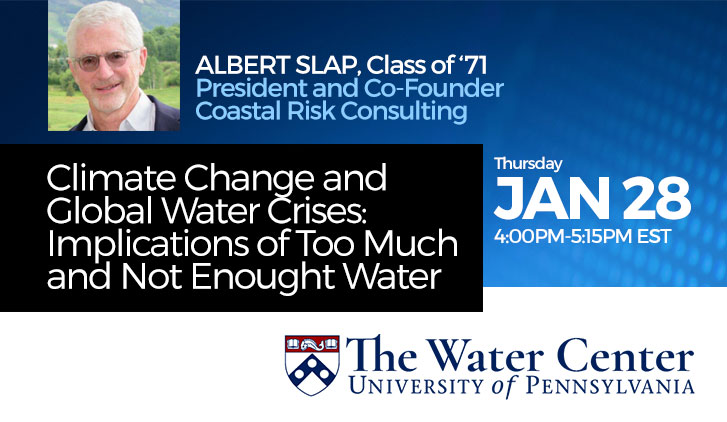
This presentation examines how climate change is intensifying both flooding and water scarcity around the world, creating growing challenges for communities, infrastructure, and the built environment. Albert Slap discusses the importance of understanding water-related risks through comprehensive hazard assessments and resilience planning. The session highlights how organizations can better prepare for changing climate conditions by identifying vulnerabilities, improving adaptation strategies, and incorporating long-term water resilience into property and infrastructure decisions.
Risk Footprint | January 2021
Albert Slap introduces the concept of “Resilient Technology” (ResTech) as the next evolution in commercial real estate risk management. The article explains how automated property-level hazard assessments enable owners, developers, investors, and lenders to quickly identify vulnerabilities from floods, natural hazards, and climate impacts before they result in costly losses. By integrating resilience intelligence into due diligence and asset management, organizations can prioritize mitigation investments, protect asset value, improve business continuity, and make more informed long-term investment decisions.
Building Green | January 2021
This article highlights the U.S. Green Building Council’s recognition of RiskFootprint™ as an innovative resilience assessment platform that helps evaluate a property’s exposure to current and future natural hazards. By automating analyses for risks such as flooding, sea level rise, wildfire, earthquakes, wind, and extreme heat, the platform enables architects, developers, investors, and building owners to incorporate resilience into planning and design decisions. The integration reflects a growing industry shift toward treating climate resilience as a fundamental component of sustainable building practices.
The Invading Sea | January 2021
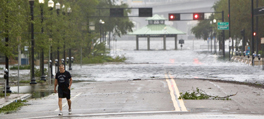
This article examines how South Florida could be transformed by the end of the century as sea level rise, stronger storms, higher temperatures, and more frequent flooding reshape the region. It discusses the long-term implications for infrastructure, communities, and real estate, emphasizing that adaptation and resilience planning are becoming increasingly urgent. The piece encourages property owners, developers, and policymakers to better understand future climate risks and begin preparing for the environmental challenges that lie ahead.
USBC.org| December 2020
This introduction to RiskFootprint™ explains how the platform helps integrate climate resilience into sustainable building practices by providing comprehensive, property-specific hazard assessments. Developed in collaboration with the U.S. Green Building Council, the technology enables project teams to evaluate risks such as flooding, wildfire, hurricanes, earthquakes, and future climate impacts early in the design and due diligence process. By making climate risk analysis more accessible, RiskFootprint™ supports stronger investment decisions, improved resilience planning, and more durable, future-ready buildings.

Green Business Certification Inc. | December 2020
This article explains how RiskFootprint™ supports LEED and RELi certification by providing comprehensive climate risk analyses for individual properties and real estate portfolios. Developed in partnership with the U.S. Green Building Council and GBCI, the platform helps project teams identify physical climate hazards, prioritize resilience strategies, and incorporate risk-informed design into new and existing developments. By combining sustainability with property-specific hazard intelligence, RiskFootprint™ enables owners, developers, and investors to create buildings that are better prepared for future climate challenges.
Coastal Risk | December 2020
This holiday newsletter reflects on another year of advancing resilience and climate risk awareness while thanking clients, partners, and industry colleagues for their continued support. Alongside seasonal greetings, the message reaffirms Coastal Risk Consulting’s commitment to helping property owners, investors, lenders, and communities better understand physical climate risks through innovative technology, scientific analysis, and practical resilience solutions as they look ahead to the coming year.
Coastal Risk | November 2020
This newsletter highlights several major developments, including the partnership between the U.S. Green Building Council and Coastal Risk Consulting to advance climate resilience through RiskFootprint™. It also explores why understanding a property’s “risk footprint” is becoming as important as measuring its carbon footprint, discusses emerging signs of climate-related disruption in Florida’s housing market, and shares additional news and insights focused on resilience, hazard assessment, and climate-informed real estate decision-making.
PR Newswire | October 2020
This announcement marks the partnership between the U.S. Green Building Council (USGBC) and Coastal Risk Consulting to integrate RiskFootprint™ climate risk analysis into LEED, Arc, and other GBCI platforms. The collaboration enables project teams to evaluate property-specific exposure to hazards such as flooding, storm surge, wildfire, earthquakes, drought, and extreme heat while supporting more resilient building, community, and city planning. The initiative reinforces the growing role of climate intelligence in sustainable design, due diligence, and long-term asset management.
Risk Footprint | October 2020
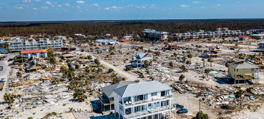
This article introduces the concept of a property’s “RiskFootprint™” as an essential complement to measuring its carbon footprint. While reducing carbon emissions remains critical, Albert Slap argues that owners, investors, developers, and lenders must also understand the physical risks posed by flooding, sea level rise, hurricanes, wildfires, and other natural hazards. The article explains how property-level climate risk assessments enable organizations to move beyond identifying hazards and begin implementing practical resilience strategies that protect assets and long-term value.

USGBC and GBCI Expand Resilience Resources to Support the Green Building Industry
USGBC Press Release | September 2020
USGBC and GBCI announced an expansion of resilience resources designed to help the green building industry better prepare for the physical impacts of climate change. The initiative combines certification programs, resilience frameworks, and new technology partnerships—including RiskFootprint™—to give project teams access to climate risk analysis during planning and design. By integrating resilience into green building practices, the program supports healthier, safer, and more sustainable buildings and communities that are better equipped to withstand future natural hazards.
An EU Task Force Recommends Ways Companies Can Measure and Respond to Climate Change Risks
Risk Footprint | July 2020
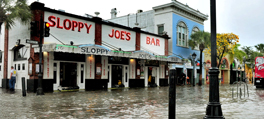
This article examines the recommendations of the Task Force on Climate-related Financial Disclosures (TCFD) and their growing influence on corporate reporting and investment decisions. Albert Slap explains why organizations should move beyond broad sustainability statements and begin measuring physical climate risks at both the portfolio and asset level. The article highlights how property-specific risk assessments help companies improve disclosures, align with investor expectations, prioritize resilience investments, and better manage long-term climate-related financial exposure.
Will New Florida Public Building Sea-Level Rise Law Point the Way for Private Developers?
Risk Footprint | July 2020
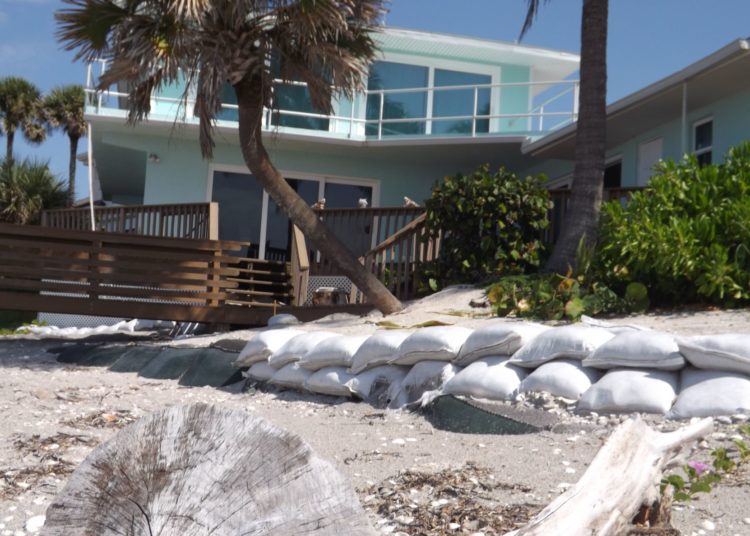
This article explores Florida’s legislation requiring public buildings in vulnerable coastal areas to account for projected sea level rise during planning and construction. Albert Slap discusses how the law could influence private-sector development by encouraging more resilient building practices and greater consideration of long-term flood risks. The article argues that incorporating climate risk assessments early in project planning can help developers protect investments, reduce future costs, and create more resilient communities.
Broward County Adopts Regulations That Require Property Owners to Fix Seawalls and Disclose Whether Property is in ‘Tidal-Flooding Area’
Risk Footprint | April 2020
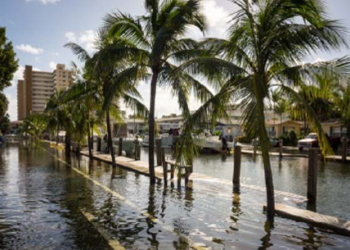
This article examines Broward County’s new regulations requiring certain waterfront property owners to maintain seawalls and disclose whether properties are located within designated tidal flooding areas. Albert Slap explains that the measures represent an important step toward improving transparency and encouraging resilience in one of the nation’s most flood-prone regions. The article highlights how stronger disclosure requirements and proactive infrastructure maintenance can help buyers, property owners, and communities better prepare for the growing impacts of sea level rise and recurring tidal flooding.
AWS Government, Education, & Nonprofits Blog | February 2020
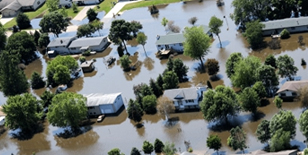
In this AWS Public Sector article, Albert Slap explains how RiskFootprint™ uses cloud computing, geospatial analytics, and big data to deliver automated, property-specific climate and natural hazard assessments. The platform evaluates multiple flood types, wildfire, wind, earthquakes, and future climate impacts while estimating potential damages and recommending resilience measures. By providing asset-level intelligence in seconds, RiskFootprint™ helps investors, lenders, governments, and commercial real estate owners prioritize mitigation efforts, improve business continuity, and make more informed long-term investment decisions.
Coastal Risk Consulting | 2020
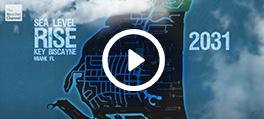
Buying a home involves more than finding the right neighborhood or negotiating the best price. Many buyers are unaware of important environmental hazards that can affect a property’s safety, insurance costs, and long-term value. This video explores why understanding flood, wildfire, hurricane, and other climate-related risks should be an essential part of every home purchase, encouraging buyers to look beyond traditional disclosures and ask the right questions before making one of life’s biggest investments.
The Mortgage Reports | 2020
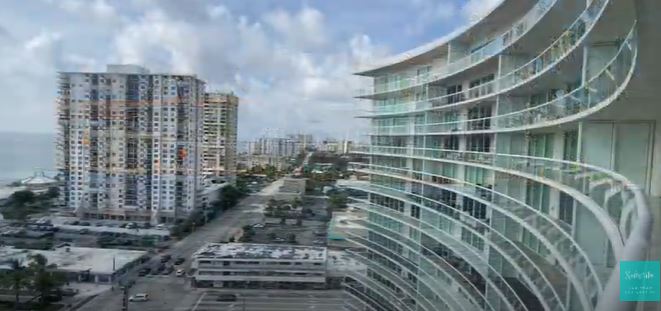
As climate change increases the frequency and severity of floods, wildfires, hurricanes, and extreme weather events, homebuyers are beginning to factor environmental risks into their purchasing decisions. This article examines how climate considerations can influence property values, insurance costs, and long-term livability while emphasizing that buyers should balance lifestyle preferences with practical risk assessments. It also shares expert advice on researching local hazards, evaluating community resilience, and making informed decisions before investing in a home.
MarketplaceTech | October 2019
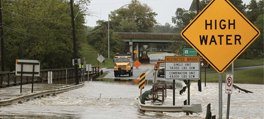
This Marketplace Tech story examines the gap between the emotional experience of buying property and the long-term climate risks that may be overlooked. Through the example of a waterfront homeowner in Maryland, it shows how property-specific technology can translate complex flood and sea-level-rise data into clear, understandable reports. The article highlights the limitations of FEMA maps and suggests that accessible climate-risk information could become an increasingly important part of how people buy, own, and eventually sell homes.
Risk Footprint | August 2019
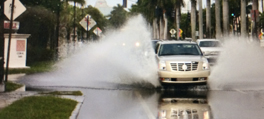
Albert Slap examines the difficult choice facing a South Florida couple considering a newly elevated waterfront home in a neighborhood already experiencing king-tide flooding. Although modeling showed their property could be raised high enough to reduce direct flood damage, surrounding roads and neighboring homes would remain increasingly vulnerable. The article explores how neighborhood decline, limited public infrastructure investment, insurance, financing, taxes, and future property values can undermine even a highly resilient individual building.
The Invading Sea | July 2019
This commentary argues that existing property disclosures and FEMA flood maps do not provide buyers with enough information to understand their true flood exposure. Albert Slap explains that FEMA maps omit important hazards such as king tides and may underestimate storm-surge risks compared with NOAA and National Hurricane Center data. With disclosure laws varying widely between states, buyers are encouraged to seek independent assessments covering past damage, insurance needs, tidal flooding, storm surge, and other risks before signing a contract.
Insurance Thought Leadership | September 2018
This article explains why FEMA Flood Insurance Rate Maps should be viewed as only one component of flood risk analysis rather than a complete picture of a property’s vulnerability. It discusses how many maps rely on historical data, may not reflect changing development patterns or future climate conditions, and often exclude hazards such as intense rainfall, storm surge, or tidal flooding. The article argues that property-specific assessments provide a more comprehensive understanding of flood exposure, helping buyers, owners, insurers, and investors make better-informed decisions.
The Weather Channel | 2018
This presentation examines how rising sea levels are reshaping Miami’s future by increasing tidal flooding, storm surge, groundwater intrusion, and long-term infrastructure challenges. It explains why South Florida’s unique geology makes the region especially vulnerable and discusses the importance of incorporating climate resilience into planning, development, and real estate decisions. The session emphasizes that understanding future flood exposure is essential for protecting property values, infrastructure, and community resilience.
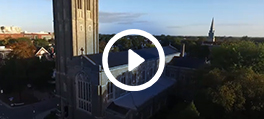
Coastal Risk Consulting | 2017
This video highlights how a historic church in Norfolk is preparing for the growing impacts of severe storms and climate change through proactive resilience planning. By identifying vulnerabilities and implementing practical mitigation measures, the congregation is working to protect both its historic building and the community it serves. The story demonstrates how property-level risk assessments and forward-thinking adaptation strategies can help organizations reduce future damage while preserving important community assets.
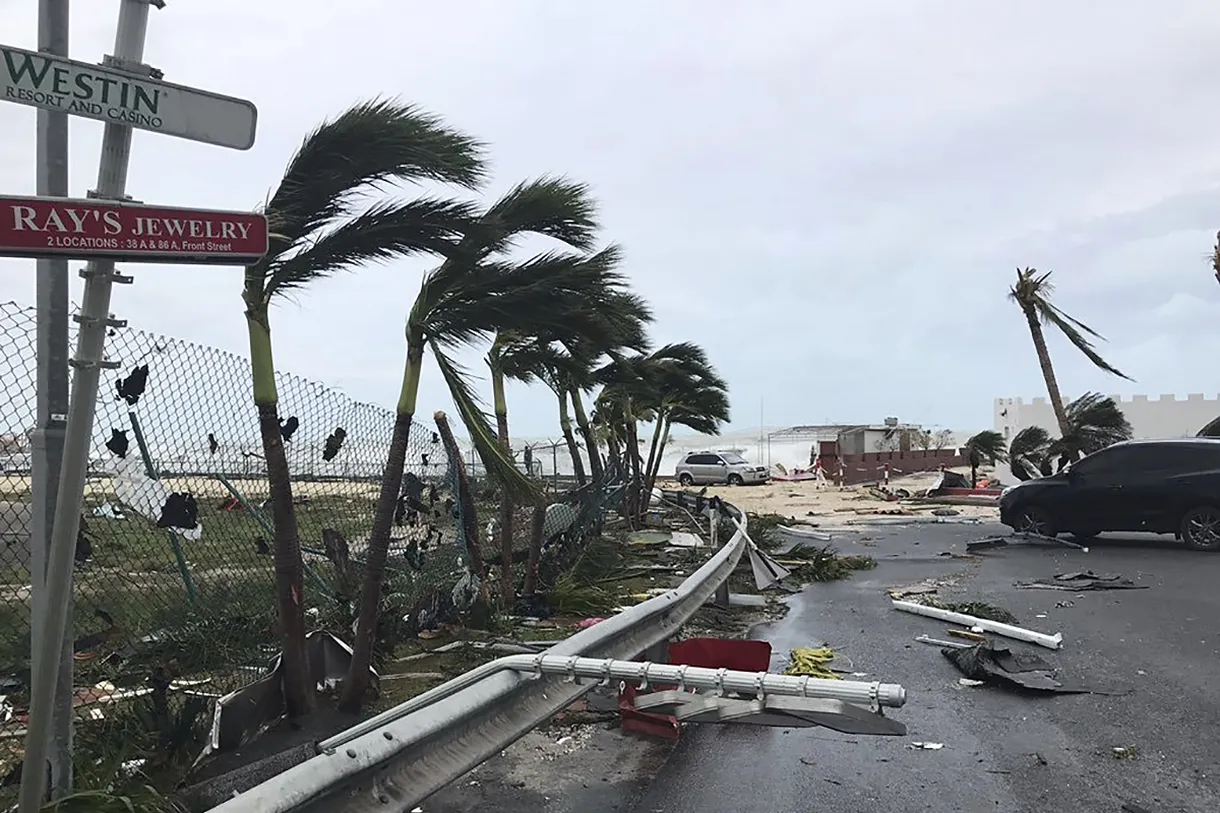
Vox | 2017
This article argues that the growing financial and social costs of climate change have outpaced existing systems for managing disaster recovery and long-term adaptation. Rather than responding to each event independently, it calls for a coordinated national strategy that addresses escalating climate damages through better planning, resilience investments, improved risk assessment, and more equitable recovery policies. The piece highlights the need to proactively prepare communities before disasters occur instead of relying primarily on post-disaster assistance.

The Guardian | July 2016
This Guardian investigation examines how sea level rise is already affecting some of Donald Trump’s Florida properties despite his public skepticism toward climate change. Using property-specific analysis from Coastal Risk Consulting, the article demonstrates how tidal flooding, storm surge, and rising seas threaten coastal infrastructure, access roads, and surrounding communities. It illustrates how physical climate risks are becoming tangible financial and operational concerns for coastal real estate regardless of political views or public debate.