
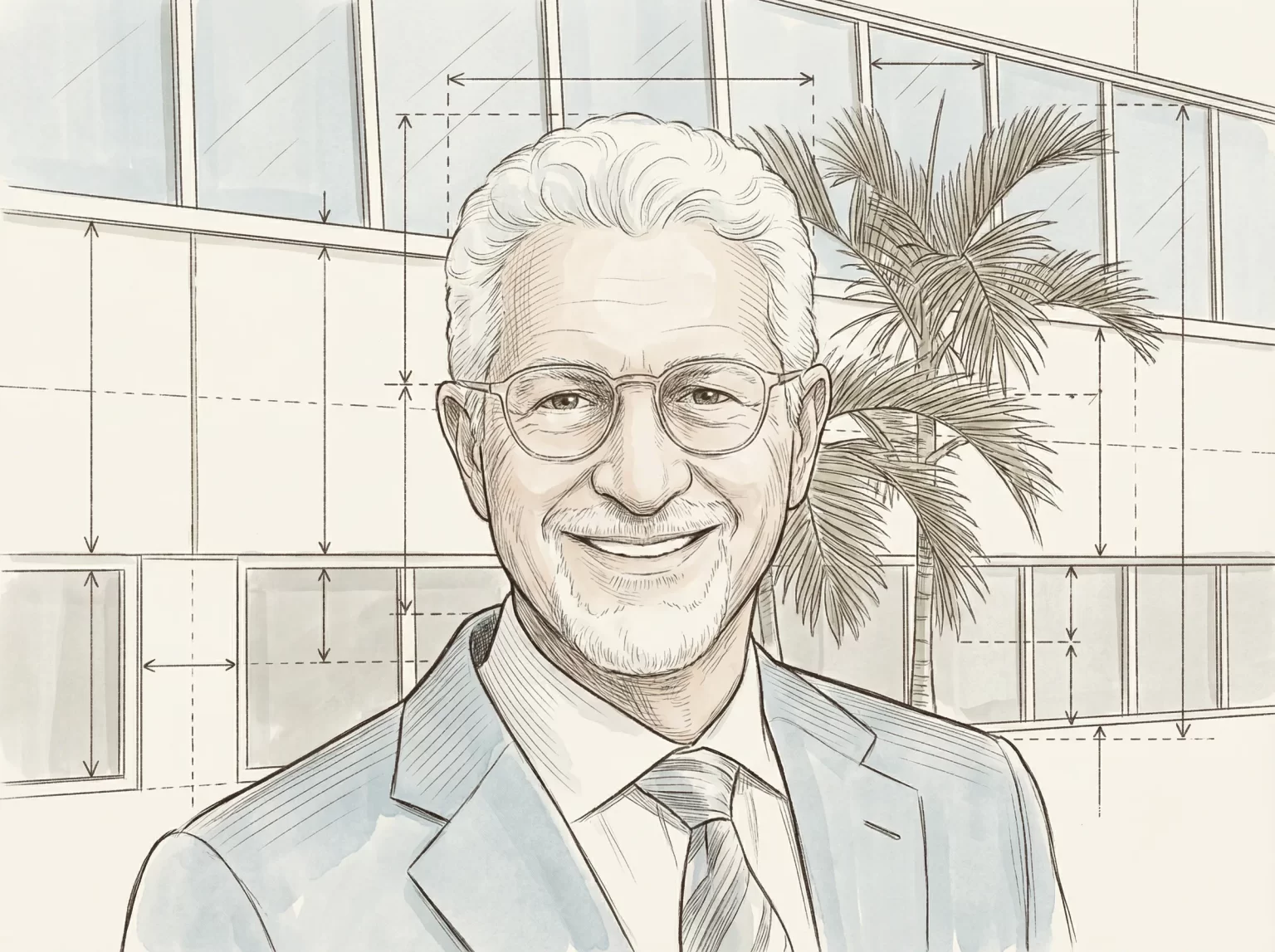
The commercial real estate industry is reaching a tipping point as climate risk data becomes more accessible, yet most transactions continue to overlook its importance. While technology now enables rapid, detailed analysis of environmental hazards, many deals still rely on outdated due diligence practices that fail to account for the growing threats posed by climate change.
Albert Slap, President and Co-Founder of RiskFootprint™, has spent his career at the intersection of environmental law and real estate risk. After decades representing clients in high-profile environmental cases, including efforts to prevent the dumping of radioactive water after the Three Mile Island incident, Slap shifted his focus to developing technology that helps property owners, investors, and lenders assess risk more accurately.
“In most commercial real estate deals, due diligence has devolved into pretty much four things: the appraisal, the environmental site assessment phase one, the FEMA flood map, and maybe an earthquake score,” Slap says. He points out that newer technologies can now provide a full range of hazard data — including current and future climate risks — in seconds, offering a level of detail and speed that was previously unattainable.