

For decades, commercial lenders have used FEMA flood zones and FEMA flood maps in a binary, decision-making process to determine if loans are approvable and, if flood insurance is a necessary pre-requisite to the loan. While broader and more accurate flood maps for the US have been available for years, their use by commercial lenders has been sporadic. With the new ASTM Property Resilience Assessment (PRA) “best practice”, commercial lenders will now be exposed to property-specific, flood mapping covering many more types of flooding than FEMA flood maps provide, over wider areas of the US, and in much greater levels of detail. As a result, many commercial lenders will likely need to revisit their underwriting procedures and standards, and reassess their policies, as they relate to flood risks.
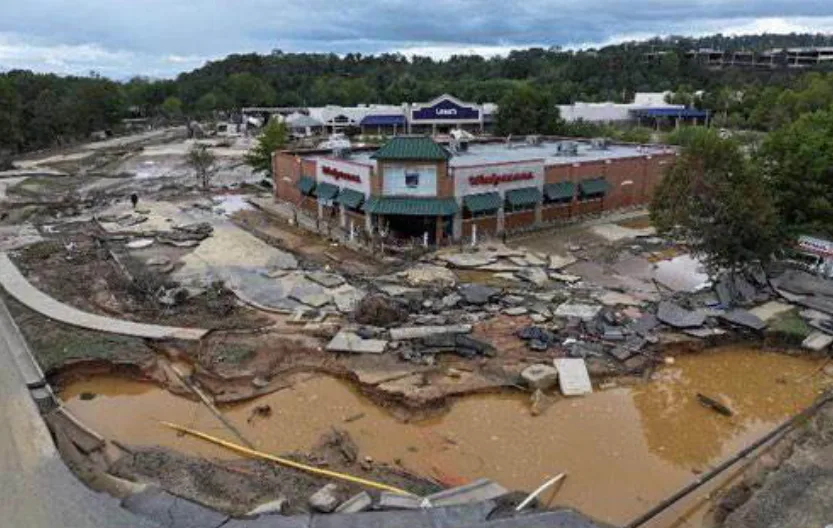
Ninety percent of natural disasters within the United States involve flooding. Consequently, floods inflict more economic damage and loss of life and property than any other natural hazard. Flooding is one of the most common and devastating natural disasters. It can occur anywhere, even in areas not typically prone to floods. Due to climate change and other factors, there has been a significant increase in flooding in all areas of the US causing billions of dollars of damage and significant disruptions in people’s lives. Flooding has cost US taxpayers more than $850 billion since 2000. Given increasing flood damage and loss in the US over the past 5 years, a closer look at the important topic of how flood risk is factored into commercial real estate loan underwriting is timely.
Current Flood Risk Assessments in Commercial Loan Underwriting
While it is commonly stated that flood risks are a critical factor in commercial real estate loan underwriting, just how critical are they? Some pertinent questions include these:
❖ Are commercial loans declined because of the presence of significant flood risks? If so, why?
❖ Are there types of severity levels of flood exposures that are just too risky (i.e., unacceptable) for commercial lenders? If so, what are they and why?
❖ What are the measures that lenders employ to reduce default risks for loans in high-risk flood areas (e.g. requiring borrowers to install risk-mitigation measures)
❖ How differently do underwriters assess current year flood risks vs. long-term, climate change risks, such as sea level rise?
While we aren’t necessarily able to answer these questions,
they are a good place to set the stage for this inquiry.